

Search for Topics
-
When someone sells their business, they suddenly become a very attractive prospect for the wealth management industry. The pitches are for broad diversification, many different (esoteric) asset classes, and other strategies. But once someone has a big portfolio, do they…
-

Why Our Private Fund Returns Differ from a Fund Manager’s Statements
You receive a statement from a private equity fund, then review your consolidated family office report. Both show a rate of return for the same investment, but the numbers differ. Does that mean someone has made a mistake? Not necessarily.…
-

AI Can Generate a Family Office Report, Is It Good Enough?
I recently came across an interesting example of an AI-generated family office report. And, I think it’s pretty cool to see how AI can generate consolidated financial reports in the same class as the incumbent software providers (at a fraction…
-

Stewarding $50 Million Without Making Wealth Management a Part-Time Job
Low-cost investing does not have to mean doing everything yourself. We were recently introduced to a relatively young investor who had inherited a substantial family portfolio. They face a responsibility that will last for decades: stewarding approximately $50 million of…
-

Getting Organized: The Foundations of a Family Office
A family office is sometimes thought of primarily as a vehicle for managing investments. In practice, its most valuable role is often much broader: helping a family organize its financial life, make thoughtful decisions and administer its affairs reliably over…
-

Before You Set Up a Trust, Ask What the Complexity Is For
Trusts can solve real problems. But they can also preserve yesterday’s assumptions, restrict tomorrow’s beneficiaries and create an administrative burden that lasts for decades. Trusts can help protect a vulnerable beneficiary, manage an inheritance, address the needs of a blended…
-

The Comfort of Investment Platitudes
I recently reviewed a marketing brochure from an established Bay Street wealth management firm. Its investment philosophy was summarized in six principles: At first glance, this sounds like an excellent investment philosophy. In fact, it is difficult to disagree with…
-

You Sold Your Business. Now What?
Selling a business can create an unusual problem. For years, perhaps decades, most of your financial life revolved around one company. Your wealth was concentrated in a business you understood intimately. You knew the customers, the employees, the competition and…
-
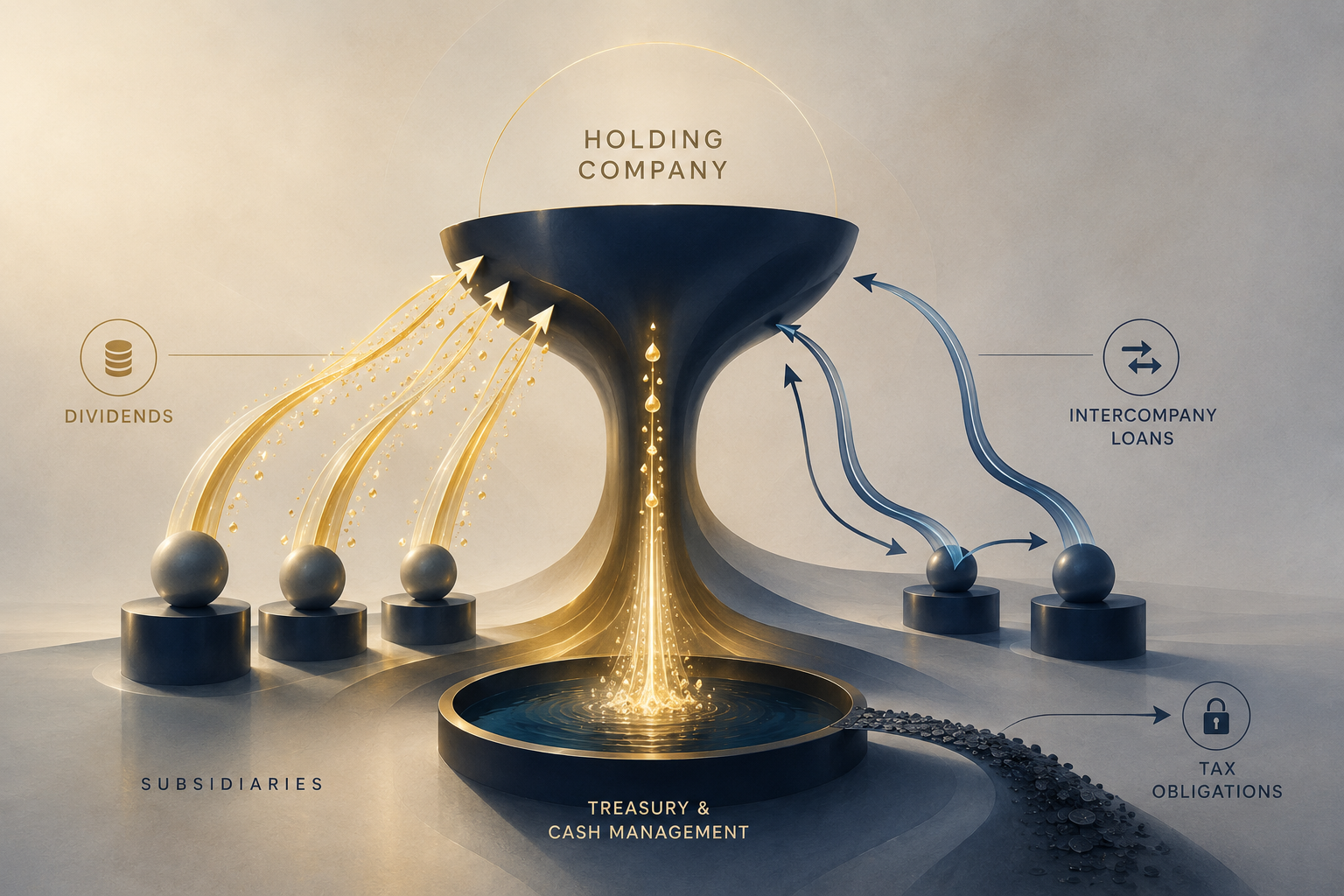
You Have a Holding Company: Withdrawing Money
A holding company often begins with a simple purpose: to hold cash or investments outside an operating business. Over time, it may come to own stocks, bonds, GICs, investment funds or other assets. If you find yourself responsible for a…
-

The Benefits of Simplicity
As families accumulate wealth, their financial affairs often become more complex. That’s a shame. Investors may establish investment holding companies, family trusts, donor-advised funds, private foundations, insurance structures, and multiple investment accounts. They may hire several investment managers, tax advisers,…