
Category: Strategic Planning
-

Stewarding $50 Million Without Making Wealth Management a Part-Time Job
Low-cost investing does not have to mean doing everything yourself. We were recently introduced to a relatively young investor who had inherited a substantial family portfolio. They face a responsibility that will last for decades: stewarding approximately $50 million of capital. He approached the task thoughtfully, read independently, spoke with other investors, and interviewed investment…
-

Before You Set Up a Trust, Ask What the Complexity Is For
Trusts can solve real problems. But they can also preserve yesterday’s assumptions, restrict tomorrow’s beneficiaries and create an administrative burden that lasts for decades. Trusts can help protect a vulnerable beneficiary, manage an inheritance, address the needs of a blended family, support business succession or provide continuity when someone is no longer able to manage…
-

The Comfort of Investment Platitudes
I recently reviewed a marketing brochure from an established Bay Street wealth management firm. Its investment philosophy was summarized in six principles: At first glance, this sounds like an excellent investment philosophy. In fact, it is difficult to disagree with any of it. And that’s precisely the problem. Investment marketing is often most persuasive when…
-

You Sold Your Business. Now What?
Selling a business can create an unusual problem. For years, perhaps decades, most of your financial life revolved around one company. Your wealth was concentrated in a business you understood intimately. You knew the customers, the employees, the competition and the risks. You were actively involved in creating value. Then you sell. Suddenly, a large…
-
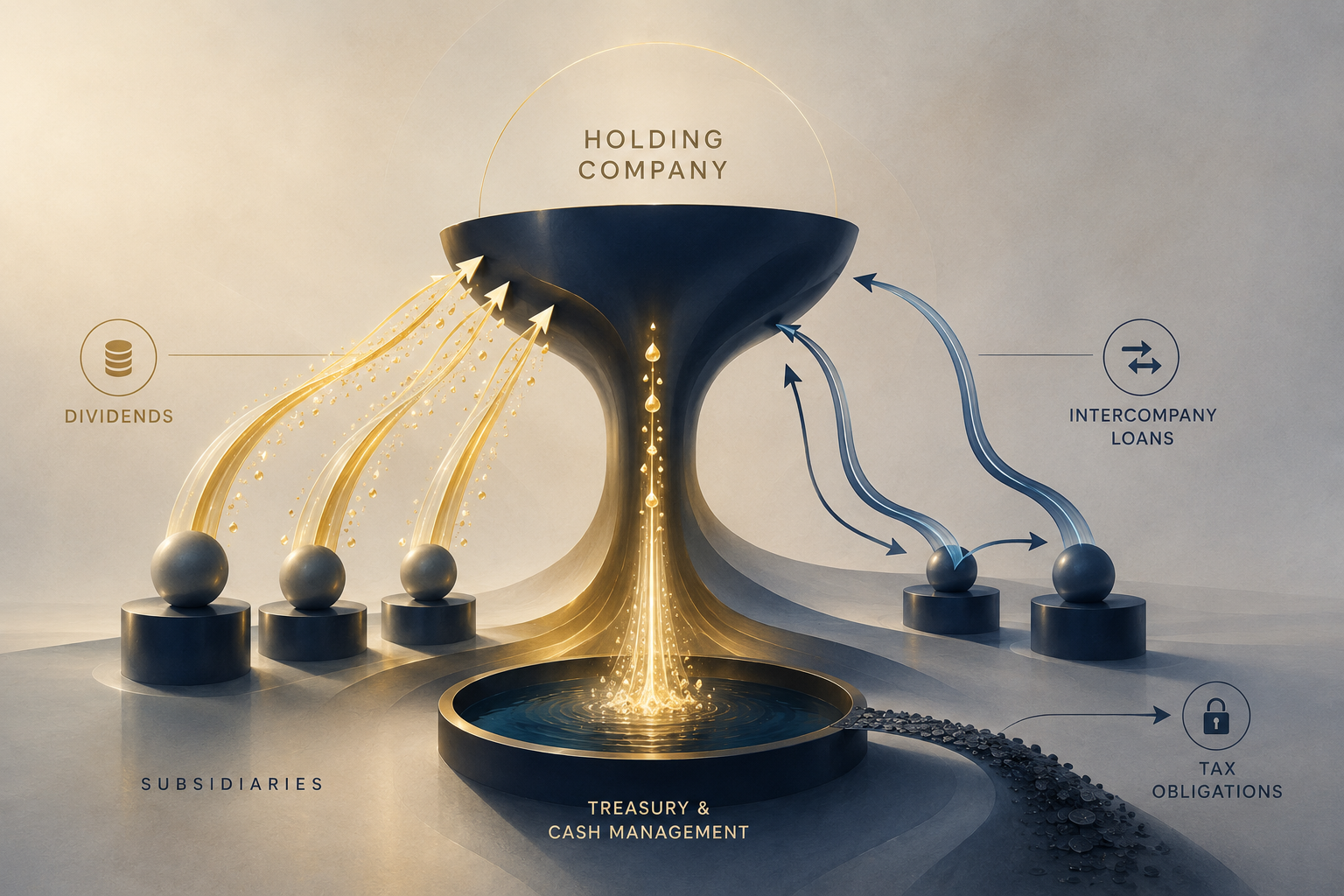
You Have a Holding Company: Withdrawing Money
A holding company often begins with a simple purpose: to hold cash or investments outside an operating business. Over time, it may come to own stocks, bonds, GICs, investment funds or other assets. If you find yourself responsible for a holding company, the tax rules can seem intimidating at first. The good news is that…
-

Charitable Donations and Holdcos: Beat the Last-Minute Rush
Are you leveraging the full tax benefits of your family foundation or DAF to make the greatest philanthropic impact? Many wealthy Canadian investors have holding companies and family foundations. Over the course of a generation, some investments have accumulated large embedded unrealized gains. It’s common to see investors who have shares purchased decades ago for…
-

How We Help Founders with Newfound Liquidity
Many entrepreneurs spend decades building a business or a real estate portfolio. Their expertise is deep, practical, and hard-earned. But when the day finally comes to sell, whether it’s a company, a commercial property, or an entire real estate portfolio, something changes overnight. Instead of operational decisions, you now become the steward of a large…
-

When Successful Investors Stop Doing Their Own Bookkeeping
Many successful investors spend decades building businesses, managing investments, and handling the administrative details of their financial life themselves. In the early years, that approach makes perfect sense. The systems are simple, the number of accounts is manageable, and doing things personally is usually the most efficient. But at a certain stage of life, often…
-

Paper Money vs Real Wealth
High income can be deceptive. It creates the appearance of abundance, stability, even financial success. But income alone is not wealth, and confusing the two can quietly undermine families for decades. And, create blind spots for the next generation, which may put their own financial future at risk. High Income Is Not the Same as…
-

Home Bias and Global Investing: Global vs. International Equities Explained
When investors talk about diversification, the terms global equities and international equities are often used carelessly. They are not the same thing. For Canadian and U.S. investors, understanding the distinction can materially improve clarity, discipline, and long-term results. What is the difference between global equities and international equities? And, why does it matter? Global Equities…