
Category: Family CFO
-

Greater Wealth Raises the Stakes. Does It Require More Complexity?
When someone sells their business, they suddenly become a very attractive prospect for the wealth management industry. The pitches are for broad diversification, many different (esoteric) asset classes, and other strategies. But once someone has a big portfolio, do they really need fundamentally different investments or are they simply receiving more sophisticated sales pitches? A…
-

Stewarding $50 Million Without Making Wealth Management a Part-Time Job
Low-cost investing does not have to mean doing everything yourself. We were recently introduced to a relatively young investor who had inherited a substantial family portfolio. They face a responsibility that will last for decades: stewarding approximately $50 million of capital. He approached the task thoughtfully, read independently, spoke with other investors, and interviewed investment…
-

Getting Organized: The Foundations of a Family Office
A family office is sometimes thought of primarily as a vehicle for managing investments. In practice, its most valuable role is often much broader: helping a family organize its financial life, make thoughtful decisions and administer its affairs reliably over many years. The technology and reporting systems matter, but they should follow, and not precede,…
-

Before You Set Up a Trust, Ask What the Complexity Is For
Trusts can solve real problems. But they can also preserve yesterday’s assumptions, restrict tomorrow’s beneficiaries and create an administrative burden that lasts for decades. Trusts can help protect a vulnerable beneficiary, manage an inheritance, address the needs of a blended family, support business succession or provide continuity when someone is no longer able to manage…
-

The Comfort of Investment Platitudes
I recently reviewed a marketing brochure from an established Bay Street wealth management firm. Its investment philosophy was summarized in six principles: At first glance, this sounds like an excellent investment philosophy. In fact, it is difficult to disagree with any of it. And that’s precisely the problem. Investment marketing is often most persuasive when…
-

You Sold Your Business. Now What?
Selling a business can create an unusual problem. For years, perhaps decades, most of your financial life revolved around one company. Your wealth was concentrated in a business you understood intimately. You knew the customers, the employees, the competition and the risks. You were actively involved in creating value. Then you sell. Suddenly, a large…
-
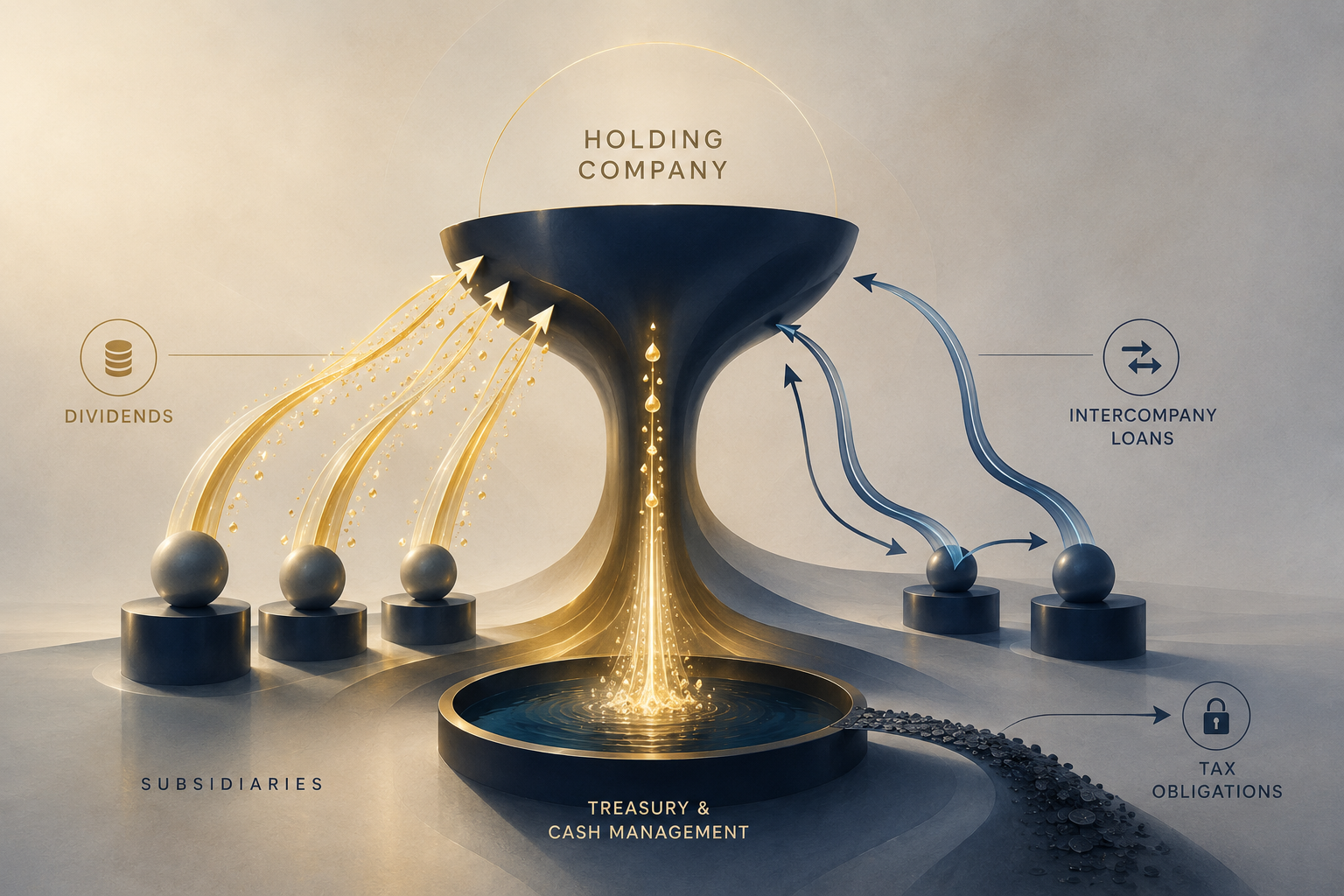
You Have a Holding Company: Withdrawing Money
A holding company often begins with a simple purpose: to hold cash or investments outside an operating business. Over time, it may come to own stocks, bonds, GICs, investment funds or other assets. If you find yourself responsible for a holding company, the tax rules can seem intimidating at first. The good news is that…
-

The Benefits of Simplicity
As families accumulate wealth, their financial affairs often become more complex. That’s a shame. Investors may establish investment holding companies, family trusts, donor-advised funds, private foundations, insurance structures, and multiple investment accounts. They may hire several investment managers, tax advisers, lawyers, bookkeepers, and reporting providers. Each new arrangement may appear sensible when considered on its…
-

Skills That Build Wealth Can Sabotage Its Preservation
The qualities that help an entrepreneur build wealth are often easy to admire. Initiative, confidence, persistence, decisiveness, and a willingness to take calculated risks can turn an idea into a successful enterprise. Entrepreneurs learn to solve problems quickly, operate with incomplete information, challenge conventional thinking, and assume responsibility when outcomes are uncertain. These qualities are…
-

What Is a Family Office? A Personal CFO for Wealthy Families
A family office helps wealthy individuals and families manage the responsibilities that come with significant wealth. Investment management may be part of that work, but it is rarely the whole story. A family office can also coordinate accounting, tax reporting, estate planning, philanthropy, family governance, bill payments, financial administration and the transition of responsibility to…