
Category: Manager Oversight
-

AI Can Generate a Family Office Report, Is It Good Enough?
I recently came across an interesting example of an AI-generated family office report. And, I think it’s pretty cool to see how AI can generate consolidated financial reports in the same class as the incumbent software providers (at a fraction of their cost). This development also demonstrates how quickly the reporting landscape is changing, and…
-

Active Returns: More Than a Simple Calculation
Active return is one of the most important measurements investors should make with their portfolios. And a full understanding of active return can provide powerful insights into how your investments are performing. Many investors often compare their portfolio’s performance to a benchmark. Like, an index or composite that represents the market or strategy they’re making.…
-

Are You Paying Too Much for Investment Advice?
When it comes to investment advice, many wealthy families are paying far more than they realize. The standard model of charging a percentage of assets under management (AUM) seems innocent enough. But hides conflicts of interest. Since, the bigger your account grows, the more expensive it gets. And, not with a proportional increase in value…
-

Beyond Returns: Aligning Wealth With Values
When families think about their investments, they often focus on financial returns alone. But for many families today, that isn’t enough. They want their wealth to reflect their values, to become a force for good in the world. Not just a way to grow capital. Recently, we thought about a family in this situation, and…
-

Restructuring Fees and Aligning Incentives
Step 3 – The Real Cost of Complexity When we conducted a full audit of the family’s portfolio, the most jaw-dropping figure wasn’t performance-related. It was the fees: $330,000 per year. And they weren’t even getting full value for it—until we began restructuring fees to reflect the actual value being delivered. That amount was spread…
-

Bringing the Portfolio Into Focus
Step 2 – If You Can’t See It, You Can’t Manage It After setting a clear investment strategy with the family, the next question was straightforward, but daunting: What exactly are we working with? The family’s assets were spread across three different investment advisors, each using their own custodians, platforms, and reporting systems. There was…
-
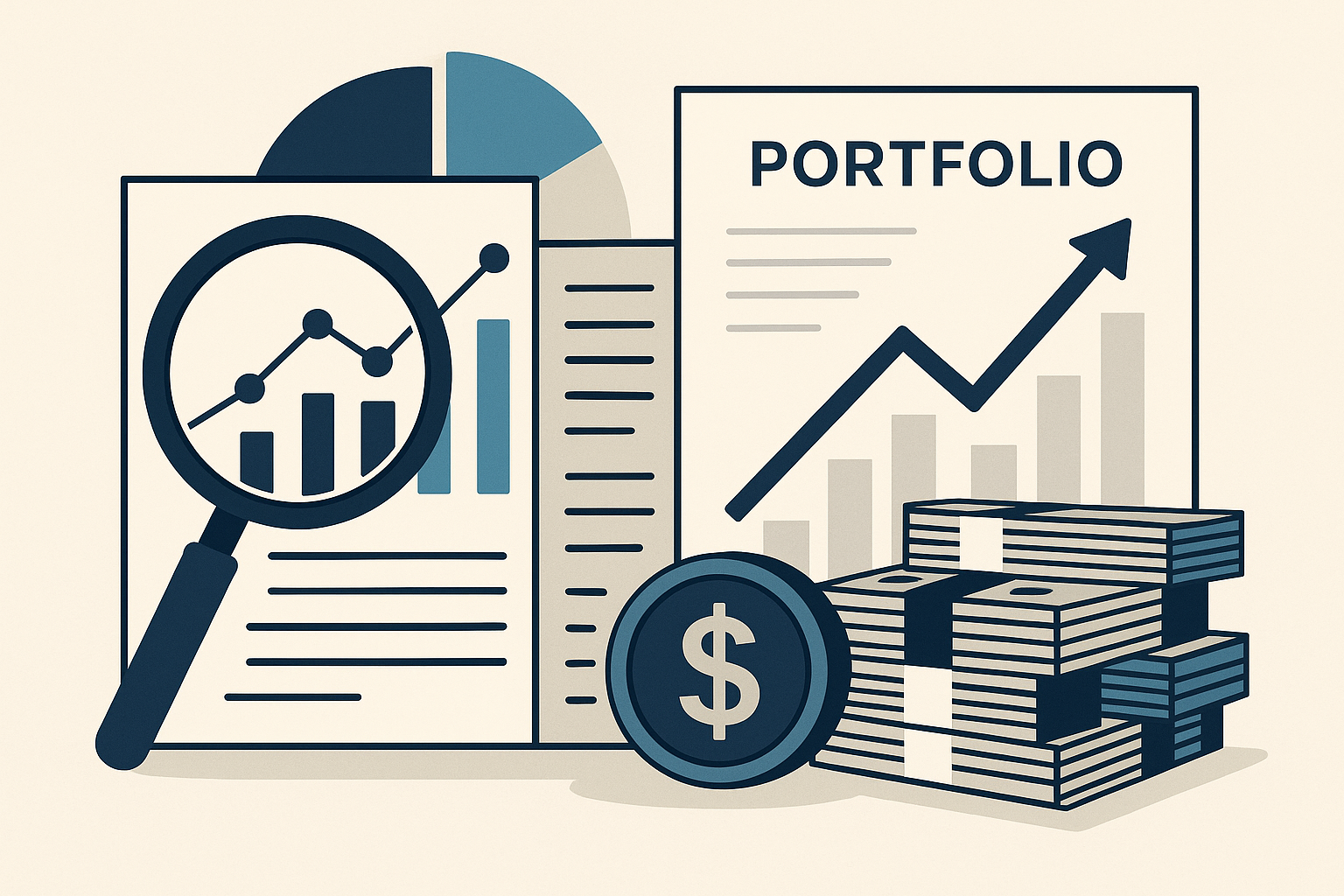
Step 2: Evaluate the Portfolio and Create Clarity
Once a family’s financial records are organized and flowing smoothly, we shift our focus to what matters most: to evaluate the portfolio and ensure the investments are doing their job. Often, the issue isn’t a lack of effort—it’s a lack of visibility. Holdings are spread across institutions, account types, and asset classes, with no unified…
-

Managing Multiple Investment Managers: Best Practices for Efficiency and Clarity
Diversification with Purpose Diversifying your portfolio by asset class and investment manager is a sound strategy. It spreads risk and provides exposure to various management styles and market perspectives. However, many investors inadvertently over-diversify within the same asset class. For instance, having multiple managers handling Canadian equities can lead to inefficiencies and hidden risks. Strategic…
-

How to Evaluate Investment Managers: A Guide to Making Informed Choices
When choosing an investment manager, many investors rely on personal connections. Someone they know, like, or trust. Often, these managers are passed down through generations of family, creating a sense of familiarity. While this desire for comfort is understandable, it can lead to a lack of objective evaluation. Potentially, risking your financial future. Some investors…
-
Seven Blind Spots your Private Foundation May Have
Our family office provides management & administrative services to private foundations. Over the years, we’ve realized many private foundations take certain responsibilities for granted. So, when an “unexpected” event occurs (like a CRA audit, death of a board member, change of tax rules) these private foundations scramble to adjust. The result is stress to the…