

Search for Topics
-
I recently reviewed a marketing brochure from an established Bay Street wealth management firm. Its investment philosophy was summarized in six principles: At first glance, this sounds like an excellent investment philosophy. In fact, it is difficult to disagree with…
-

You Sold Your Business. Now What?
Selling a business can create an unusual problem. For years, perhaps decades, most of your financial life revolved around one company. Your wealth was concentrated in a business you understood intimately. You knew the customers, the employees, the competition and…
-
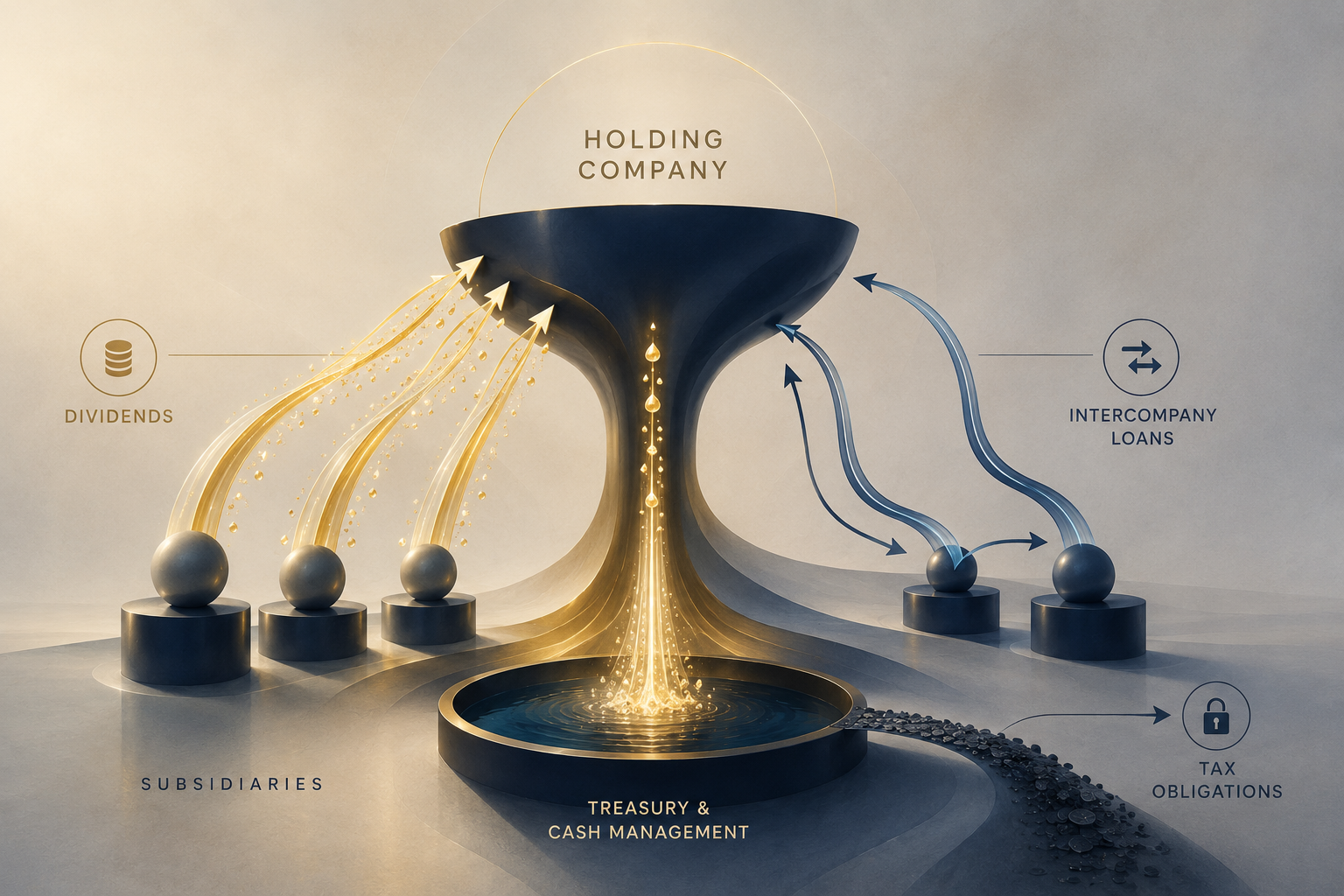
You Have a Holding Company: Withdrawing Money
A holding company often begins with a simple purpose: to hold cash or investments outside an operating business. Over time, it may come to own stocks, bonds, GICs, investment funds or other assets. If you find yourself responsible for a…
-

The Benefits of Simplicity
As families accumulate wealth, their financial affairs often become more complex. That’s a shame. Investors may establish investment holding companies, family trusts, donor-advised funds, private foundations, insurance structures, and multiple investment accounts. They may hire several investment managers, tax advisers,…
-

Skills That Build Wealth Can Sabotage Its Preservation
The qualities that help an entrepreneur build wealth are often easy to admire. Initiative, confidence, persistence, decisiveness, and a willingness to take calculated risks can turn an idea into a successful enterprise. Entrepreneurs learn to solve problems quickly, operate with…
-

What Is a Family Office? A Personal CFO for Wealthy Families
A family office helps wealthy individuals and families manage the responsibilities that come with significant wealth. Investment management may be part of that work, but it is rarely the whole story. A family office can also coordinate accounting, tax reporting,…
-

Family Office Checklist for Canadian Investors
A family office becomes useful when managing wealth begins to resemble managing an organization rather than a personal investment account. This does not necessarily mean that a family office manages an excessively complicated financial structure. The complexity may be relatively…
-

What a True Family Office Does Beyond Investment Management
The term “family office” used to mean something quite specific: the organized people, processes, records, reporting, and decision-making structure that helped a wealthy family manage the complexity of its financial life. A family office was not simply an investment strategy,…
-

How Family Offices Benefit from an Addepar Reporting Service
Family office investors often face a surprisingly basic problem: they don’t always have a clear, consolidated view of what they own. Assets may be spread across personal accounts, holding companies, trusts, registered accounts, charitable foundations, privately held investments, custodians, bank…
-

Charitable Donations and Holdcos: Beat the Last-Minute Rush
Are you leveraging the full tax benefits of your family foundation or DAF to make the greatest philanthropic impact? Many wealthy Canadian investors have holding companies and family foundations. Over the course of a generation, some investments have accumulated large…